Twice Its Weight of Tears
January 21, 2026Reading time: 4 minutes
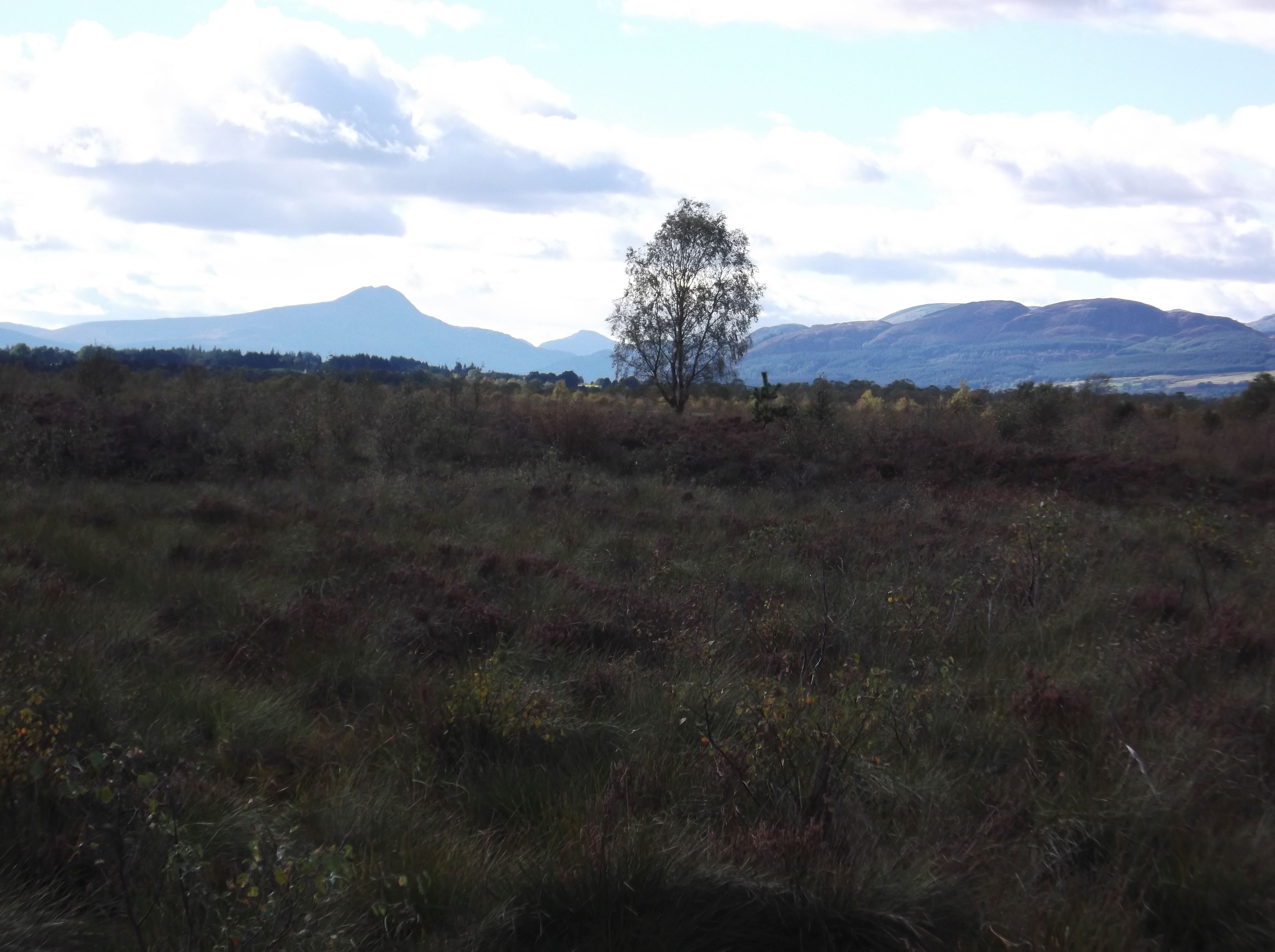 Do you recognise the phrase I used in the title? It appeared once on the side of a bus to advertise an installation at Inverewe about plants and landscape - in this instance bogland. It came from a poem I wrote about peatlands and climate chane, inspired by the nature reserve in Unst, but I've illustrated it with pictures of Flanders Moss, which was the nearest peatland to where I used to live. You can read the full poem here. However, it appears that you don't have to have read the poem to have heard the phrase though. I came across it in the introduction to a book about bogs, used without any reference to the context. I'm not complaining,however. It means that it has become part of the zeitgeist, like 'the winter of our discontent' or 'I can haz cheezburger', which is rather nice, I think.
However, I have a book coming out, which I have to promote. Rishi Dastidar has a timely article in the Society of Authors magazine about branding which made me think a bit. What is my 'brand'? If you didn't know my work, how would you introduce it? It's easier now than it was twenty years ago - more people have heard of geopoetics, where I started, and there is more focus on place writing and eco poetry than there used to be. It has close observation of the seasons, weather, landscape and plantlife, raises questions of territory and belonging and the impact of political upheaval and the climate crisis. But they don't read at all like me. Partly, they are more focussed, slower-moving, and much more technically sophisticated. They make me feel shambolic and flashy. They feel grounded as much in the poetry tradition as in the earth, and they impress me with their intelligence and thoughtfulness.
But also, they don't quite satisfy me. They feel cerebral and artificial, like gameplaying with words. They do it so well, but they are short on delight. They feel professional, classical. By default, then, I have to ask myself if I am a Romantic amateur, relying on inspiration and vibes and just wanting my poetry to be 'lovely', which I am not. I spent a long and highly entertaining (as well as useful and revealing) period last year diesntangling my mental health issues from my ADHD, and I have come to the conclusion that I am in fact a medievalist. The problem I have with the new generation of place poets is that they are running, I think, on the post-Enlightenment polarity of intellect and emotion, which lines up imagination and delight with the emotions, and sense observation and analysis with the intellect. The Will, in this dichotomy is a free-floating observer, constantly forced to choose between emotion and intelligence, like Captain Marvel, playing off duty and pleasure and law and freedom against each other.
I am inclined to follow the philosophy of Richard of St Victor, a Scottish twelfth century monk, who separates the faculties of the soul into Reason and Love. He has his own purposes for this, which I am less invested in, but the interesting thing is that Reason, and Imagination line up, and Love is paired with Sense. Wisdom is a function of Reason and the Will and pleasure are functions of Love. Reason may plot the navigation, but Love is the Captain.There is a hierarchy in this, but there is also harmony.
My 'wallking the territory' practice then is about creating delight. The wilder way I can connect folklore of Fae folk with the way we treat refugees, a nest of crickets with a hyperactive child, a political upheaval with a ballad, is a function of a not only a passionately held attitude, but thoughtful speculation. I need my poetry to flow, sound well, spark appreciation of the plants or skyscapes I write about, but also, just as much, to be scientifically accurate, and philosophically coherent, and to speak to the heart as well as the brain. It is a big ask, and I am at the stage of a book's gestation where I am not confident I have achieved anything like what I wanted. But the process of asking myself who I am has been fascinating. I am the poet who draws parallels between bipolar depression and peat bogs. I wrote
Sphagnum can absorb
twice its own weight in tears.
Posted by Admin
Tags: |
Newest Post Previous Page: Condemned to be Cultural Beings >>